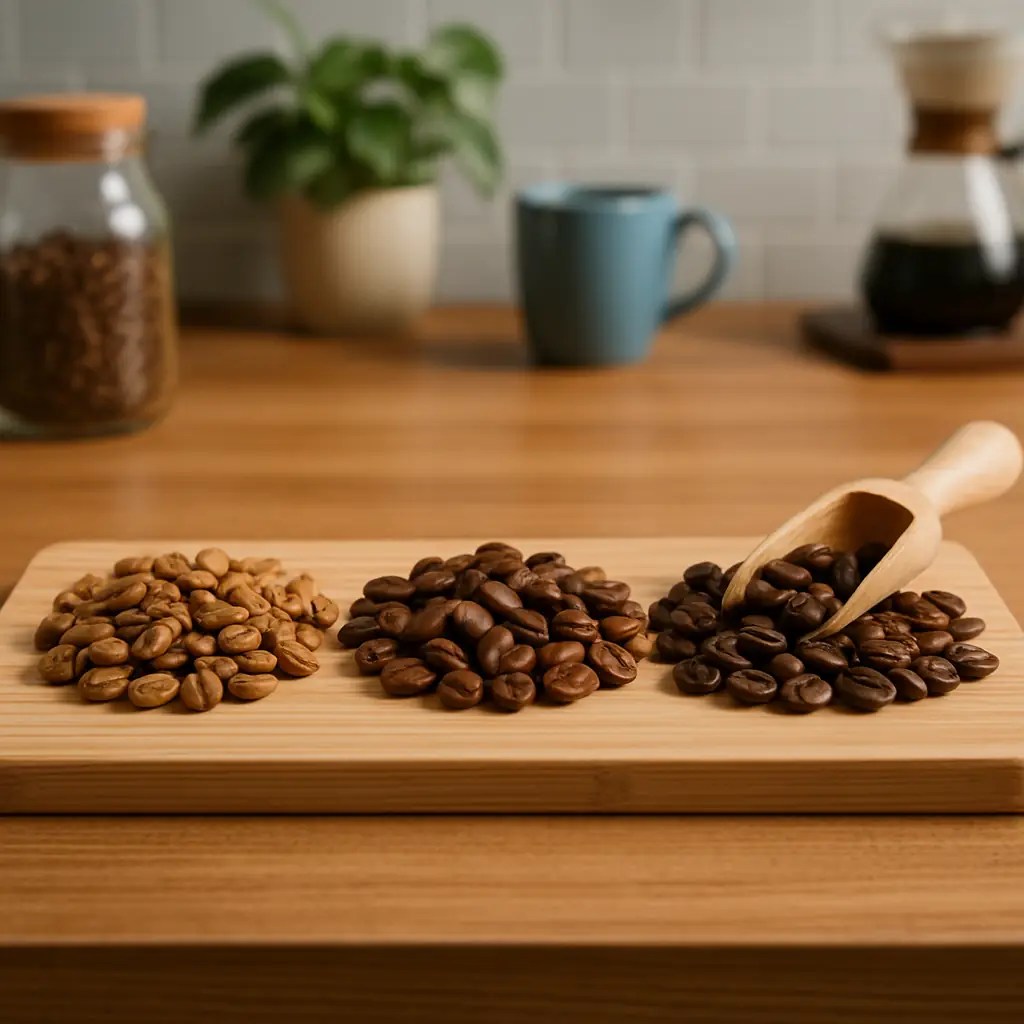
Ever stare at coffee bags and feel like you need a translator? Light, Medium, Dark… the labels are simple, but the taste differences can be huge. If you’re trying to figure out which one you’ll actually enjoy brewing, you’re in the right place. Forget dry definitions and let’s talk about what these roasts feel and taste like in the cup, based on plenty of hands-on experience.
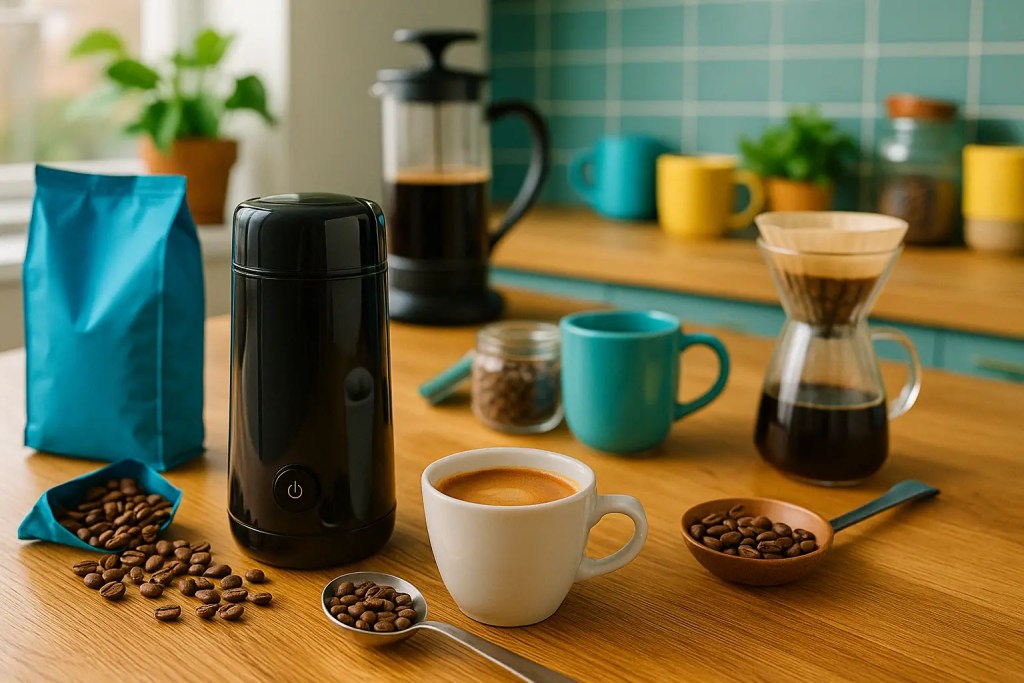
Stepping into the world of home coffee brewing often starts with a simple device: the blade coffee grinder. Affordable and easy-to-use, it promises fresh ground coffee at the touch of a button. But is there more to this whirling device than meets the eye? Let’s take a quick check through its pros, cons, and how to make the most of it.
The Simple Appeal (and the Savings)
Let’s start with the positives. Blade grinders are easy to use. Simply toss in your coffee beans, pop on the lid, and press a button until you achieve your desired (or perceived) grind size. There are no complicated settings or complex mechanisms to navigate.
Secondly, they are budget-friendly. Compared to burr grinders, blade grinders are significantly cheaper, making them an accessible entry point for those just starting to explore freshly ground coffee. Their compact size also makes them ideal for smaller kitchens where counter space is limited.
The Problem: Inconsistent About the GrindSize
However, the chopping action of blade grinders leads to a significant drawback: inconsistent particle/grind size. As the blades whirl, some beans get finely ground into dust, while others remain in larger chunks. This unevenness has a direct impact on your brew.
Over-extraction: The small particles extract too quickly, leading to a bitter and often harsh taste.
Under-extraction: The larger bean chunks don’t release their full flavor potential, resulting in a weak and sour brew.
The lack of control over grind size is another limitation. Achieving a specific grind consistency for different brewing methods (like French Press vs. pour-over) becomes a guessing game based on pulsing duration and visual assessment.
Tips for Making the Most of Your Blade Grinder
Despite their limitations, you can employ a few techniques to improve your results with a blade grinder:
Pulse Power: Use short, sharp pulses instead of continuous grinding to help create a more uniform grind.
Shake It Up: Between pulses, shake the grinder to redistribute the beans for better blade contact.
Small Batches are Best: Avoid overfilling; grinding smaller amounts offers more control.
Aim for Medium: Blade grinders tend to handle medium grinds more consistently than very fine or coarse ones.
The Result: Blade Grinders are a Beginner’s Friend, But…
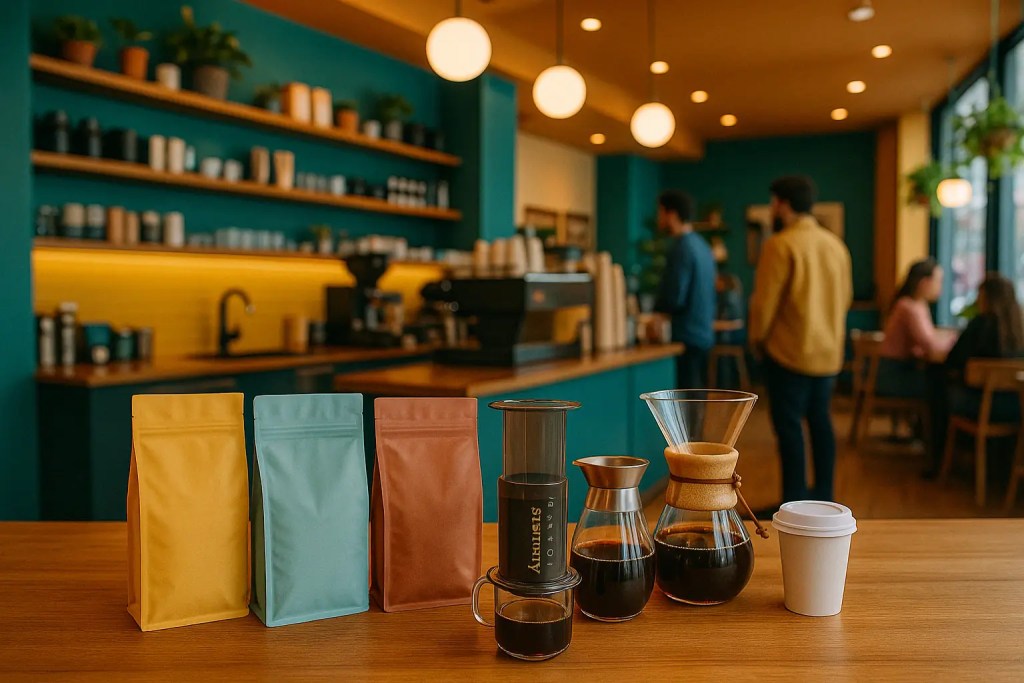
Stepping into a specialty coffee shop or even just browse the coffee aisle online can feel like navigating a complex map without a guide. So many origins, roast levels, blends… where do you even start? Believe me, I’ve been there! Over years of brewing countless cups, tasting beans from around the globe, and talking endlessly about coffee, I’ve developed a practical approach to decoding those bags and finding the gems that make truly exceptional coffee.
In this guide, I want to share my personal compass – the key things I always consider – to help you confidently choose beans you’ll absolutely love, saving you time and potentially some less-than-stellar cups along the way.
So, you took the leap! You ditched that noisy blade grinder and got yourself a proper burr grinder (high five!). You’re grinding fresh beans right before you brew… but maybe your coffee still tastes a bit… off? Sometimes bitter, sometimes sour, never quite perfect?
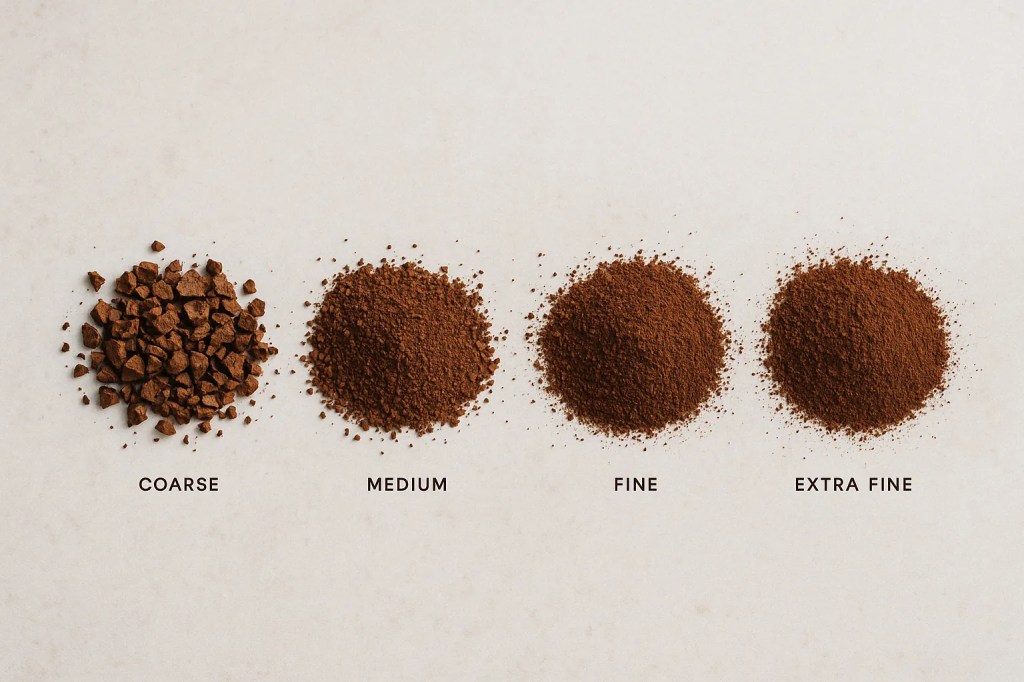
Don’t worry, you haven’t wasted your money! There’s one more crucial piece to the perfect-cup puzzle: the size of your coffee grounds. Getting this right is just as important as grinding fresh!
Using the wrong grind size for your coffee maker is a super common mistake, and it’s often the secret culprit behind a bad brew. But luckily, it’s easy to fix! This simple cheat sheet will explain why size matters and give you a starting point for matching your grind to your brewer.


 Coffee Guide