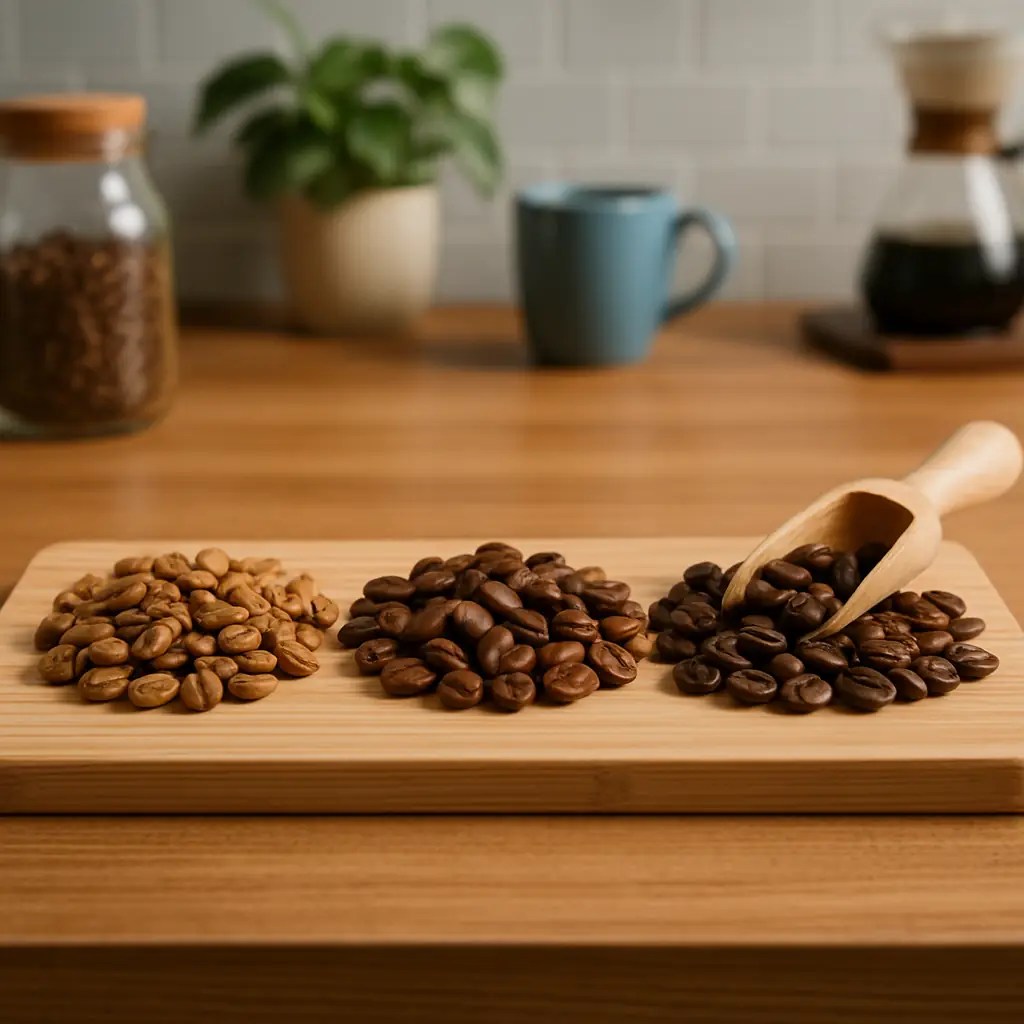
Ever stare at coffee bags and feel like you need a translator? Light, Medium, Dark… the labels are simple, but the taste differences can be huge. If you’re trying to figure out which one you’ll actually enjoy brewing, you’re in the right place. Forget dry definitions and let’s talk about what these roasts feel and taste like in the cup, based on plenty of hands-on experience.
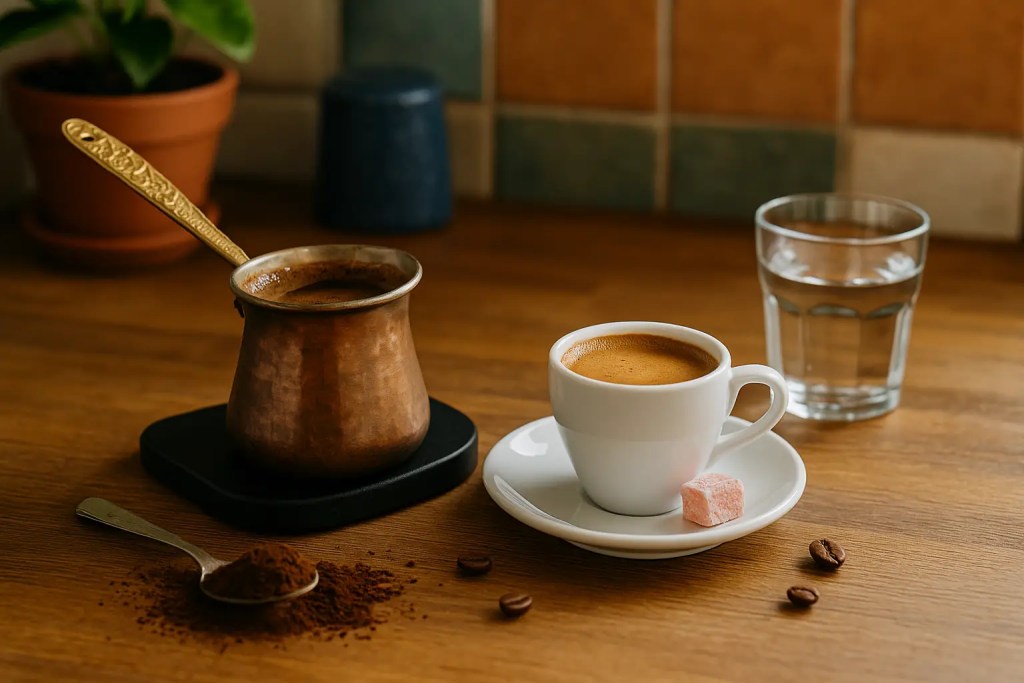
Imagine a coffee experience so deeply woven into culture that it’s recognized by UNESCO. That’s Turkish coffee; not just a drink, but a ritual, a symbol of hospitality, and a brewing method stretching back centuries. It’s a coffee that demands patience, rewards with intense flavor, and often sparks conversation, long after the last sip.
Forget your fancy espresso setups for a moment. Preparing authentic Turkish coffee is a unique, almost meditative process. It’s about embracing tradition and understanding how simple elements – ultra-finely ground coffee, water, gentle heat, and maybe a touch of sugar – create something truly special.
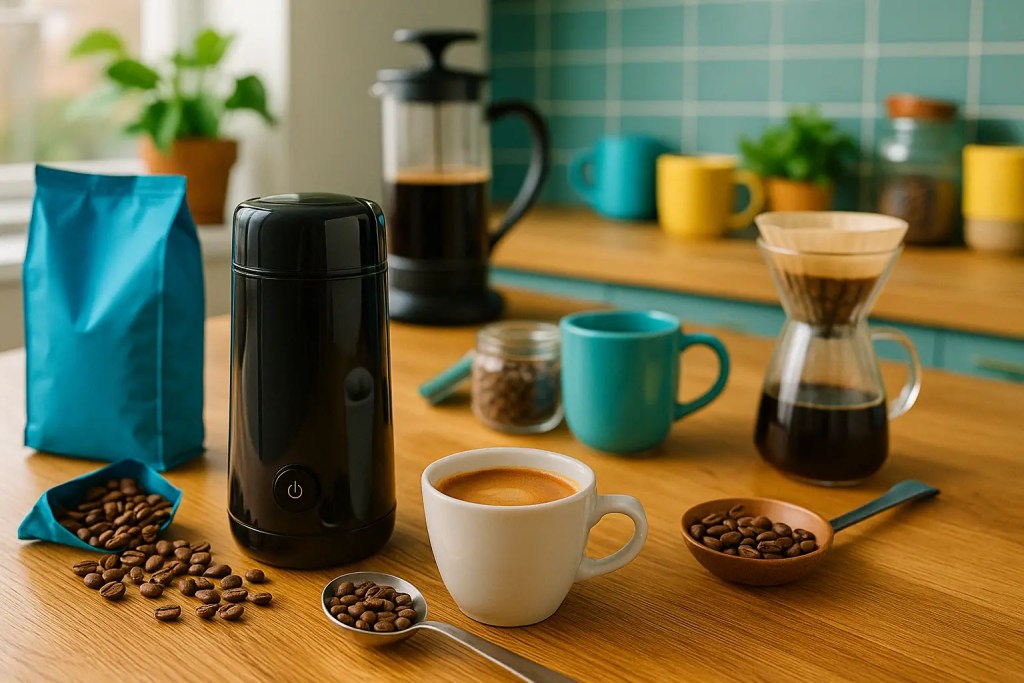
Stepping into the world of home coffee brewing often starts with a simple device: the blade coffee grinder. Affordable and easy-to-use, it promises fresh ground coffee at the touch of a button. But is there more to this whirling device than meets the eye? Let’s take a quick check through its pros, cons, and how to make the most of it.
The Simple Appeal (and the Savings)
Let’s start with the positives. Blade grinders are easy to use. Simply toss in your coffee beans, pop on the lid, and press a button until you achieve your desired (or perceived) grind size. There are no complicated settings or complex mechanisms to navigate.
Secondly, they are budget-friendly. Compared to burr grinders, blade grinders are significantly cheaper, making them an accessible entry point for those just starting to explore freshly ground coffee. Their compact size also makes them ideal for smaller kitchens where counter space is limited.
The Problem: Inconsistent About the GrindSize
However, the chopping action of blade grinders leads to a significant drawback: inconsistent particle/grind size. As the blades whirl, some beans get finely ground into dust, while others remain in larger chunks. This unevenness has a direct impact on your brew.
Over-extraction: The small particles extract too quickly, leading to a bitter and often harsh taste.
Under-extraction: The larger bean chunks don’t release their full flavor potential, resulting in a weak and sour brew.
The lack of control over grind size is another limitation. Achieving a specific grind consistency for different brewing methods (like French Press vs. pour-over) becomes a guessing game based on pulsing duration and visual assessment.
Tips for Making the Most of Your Blade Grinder
Despite their limitations, you can employ a few techniques to improve your results with a blade grinder:
Pulse Power: Use short, sharp pulses instead of continuous grinding to help create a more uniform grind.
Shake It Up: Between pulses, shake the grinder to redistribute the beans for better blade contact.
Small Batches are Best: Avoid overfilling; grinding smaller amounts offers more control.
Aim for Medium: Blade grinders tend to handle medium grinds more consistently than very fine or coarse ones.
The Result: Blade Grinders are a Beginner’s Friend, But…
Ordering a latte used to be simple: espresso and milk. But walk into almost any coffee shop today, and you’re presented with choices; especially when it comes to milk. While dairy milk remains the standard most of the time, oat milk has surged in popularity, becoming the popular plant-based alternative for baristas and consumers alike.
Why the buzz around oat milk? And how does it really compete against traditional dairy milk when steamed into a creamy, dreamy latte?
Stepping up to the espresso bar can feel like learning a new language. Two drinks that often cause confusion are the Cortado and the Macchiato. They’re both small, espresso-based, and involve milk; but that’s where the similarities end.
Choosing between them depends entirely on how much milk you like and how forward you want that espresso flavor to be. Don’t worry, the difference is actually quite simple once you break it down.
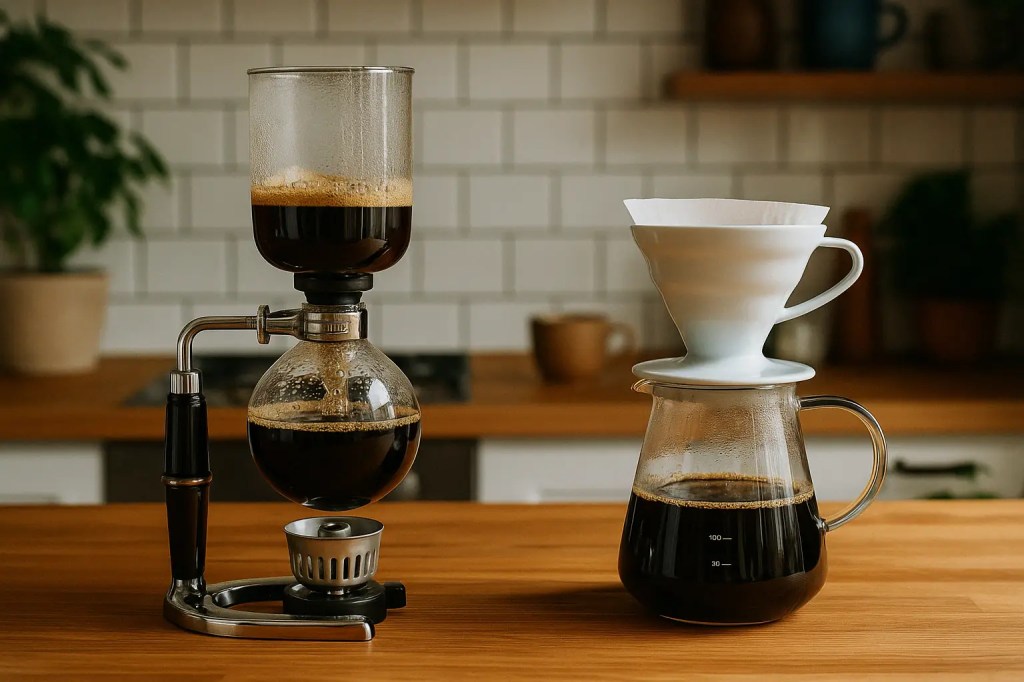
Ready to elevate your home coffee game beyond the automatic drip? Two fascinating manual methods stand out for enthusiasts seeking control and exceptional flavor: the visually stunning Siphon and the ever-popular Pour Over.
Siphon looks like it belongs in a chemistry lab, promising unparalleled clarity through a dramatic process. Pour Over is a seemingly simpler technique beloved by baristas for its ability to highlight nuanced flavors.
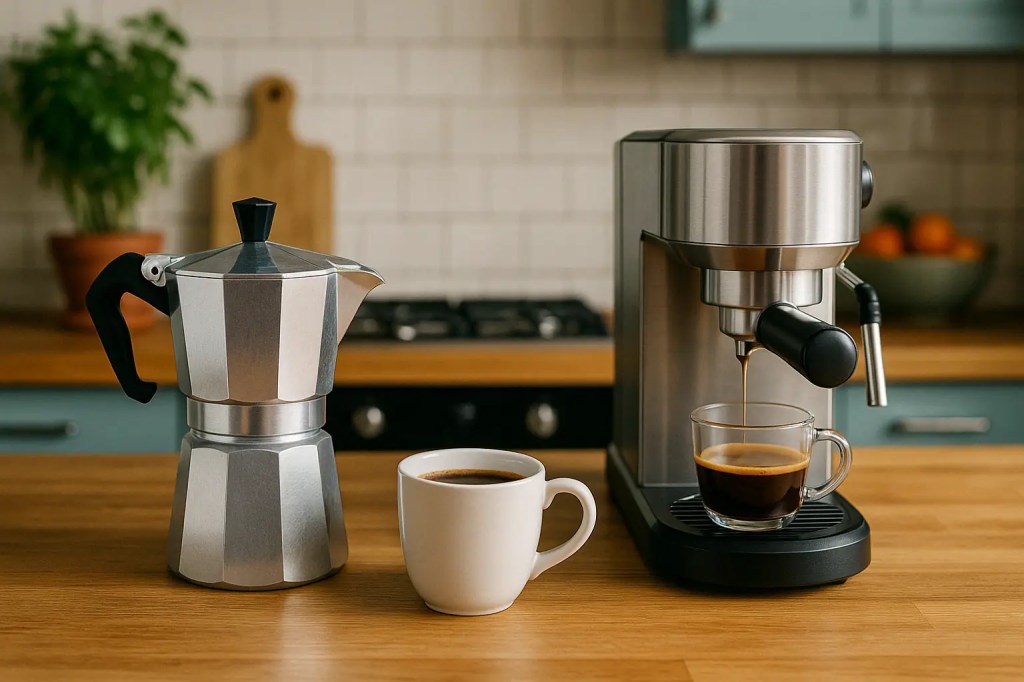
Craving that intense, concentrated coffee kick at home? You may have narrowed your options down to two popular contenders: the classic Moka Pot and the modern Espresso Machine. Both promise strong coffee, but they operate on fundamentally different principles and deliver surprisingly distinct results.
One is an affordable stovetop icon, the other a potentially pricey gateway to café-quality drinks. Which one truly fits your budget, your counter space, and your definition of a perfect strong brew?
Choosing your go-to manual coffee brewer? The AeroPress and French Press are top contenders, both loved for delivering great coffee without fuss.
But while they might seem similar as non-electric options, their design, process, and the coffee they produce are quite different. One is a modern marvel of versatility; the other, a timeless classic known for rich flavor.
This guide cuts straight to the chase. We’ll compare the AeroPress and French Press on key factors so you can confidently pick the perfect brewer for your daily cup.





 Coffee Guide