
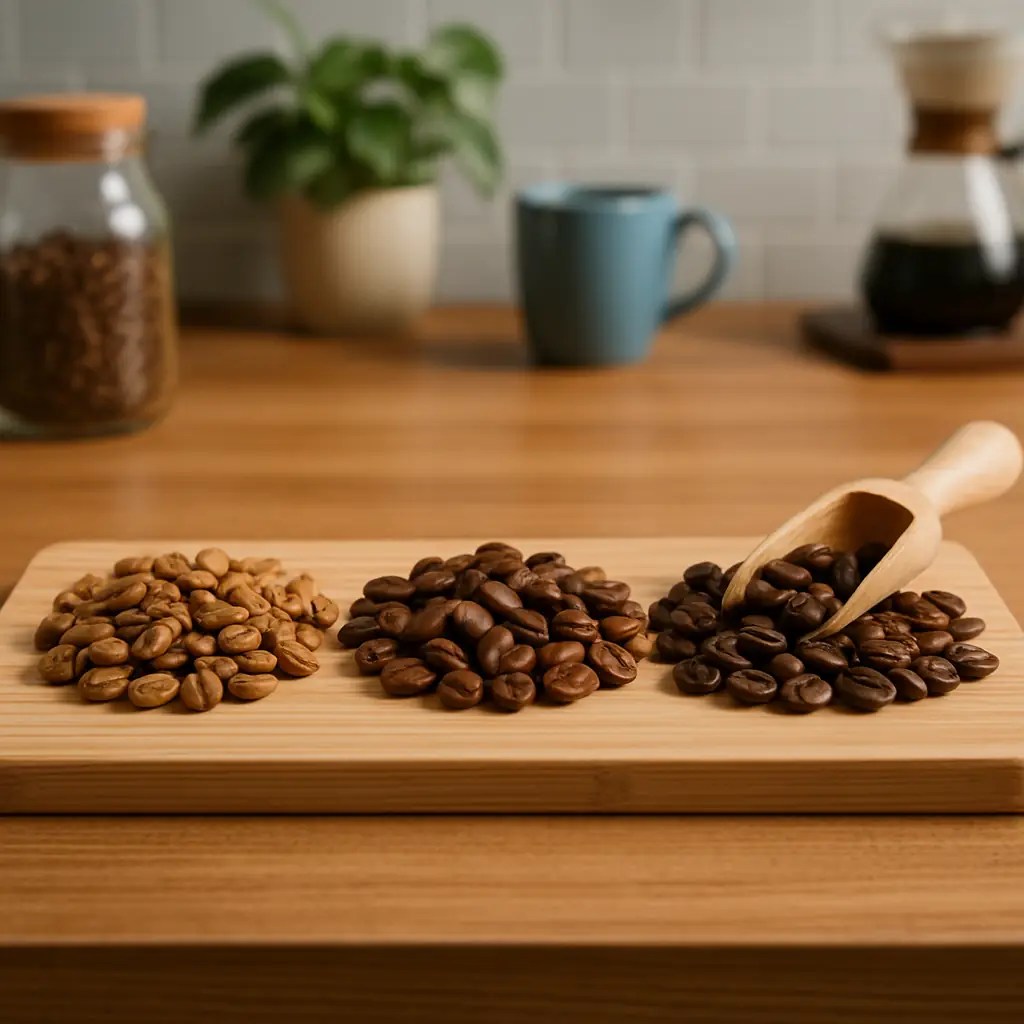
Ever stare at coffee bags and feel like you need a translator? Light, Medium, Dark… the labels are simple, but the taste differences can be huge. If you’re trying to figure out which one you’ll actually enjoy brewing, you’re in the right place. Forget dry definitions and let’s talk about what these roasts feel and taste like in the cup, based on plenty of hands-on experience.
Light Roasts: Tasting the Bean’s Soul
Imagine biting into a perfectly ripe nectarine, or the aroma of jasmine on a warm evening. That’s the kind of vibrant, nuanced territory light roasts live in. When you sip a great light roast, you often get this lively zest; coffee people call it acidity, but it’s really the coffee’s natural electricity. It can remind you of citrus, berries, or even tropical fruit. With light roast, the coffee usually feels delicate in your mouth, not heavy; think more like perfectly brewed tea than thick cocoa.
Why so different?
Because the roast is stopped very early, typically just as the beans start their “first crack” – a literal popping sound like popcorn, signaling they’re just beginning their transformation (around 195°C – 205°C / 385°F – 400°F). This minimal roast preserves the unique flavors tied to the coffee’s origin – its variety, the farm’s altitude, how it was processed. It’s the bean itself, singing clearly. These coffees are often my favorites when I want to explore something unique and complex.
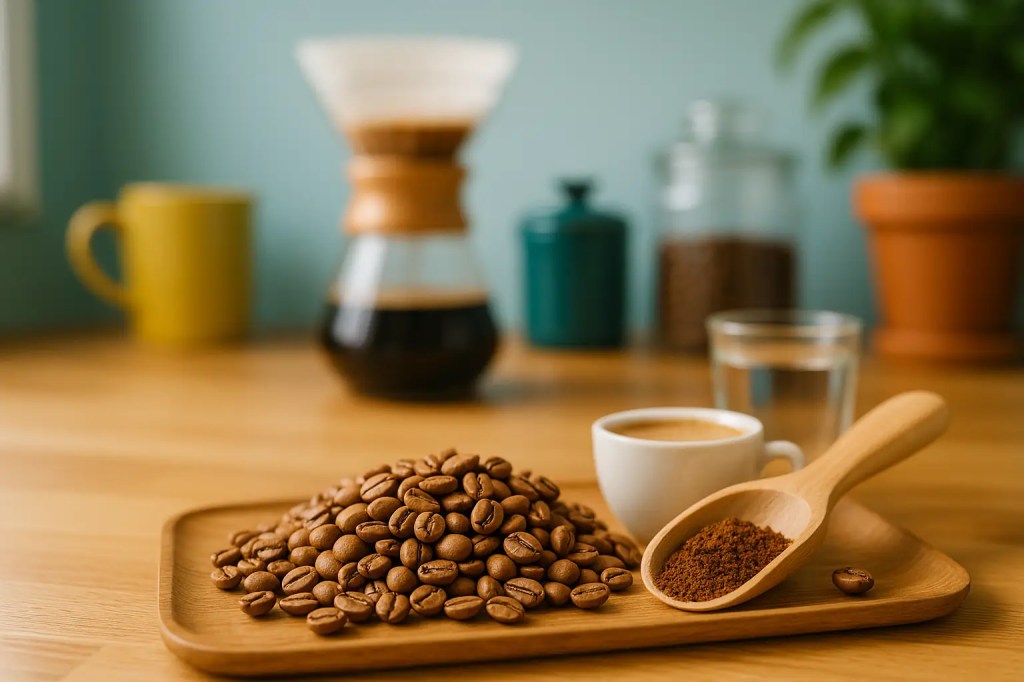
Common names? Watch out for names like: Cinnamon Roast, Half City, Light City
Medium Roasts: the Delicious Harmony
Now, let the roast go a bit longer. As the beans coast past that first crack and head towards maybe 210°C – 220°C (410°F – 430°F), something fascinating happens. The bean’s original taste starts blending with new taste notes created by the heat. This is where those amazing Maillard reactions (think browning bread) and sugar caramelization really get cooking.
The Result of Medium Roasting?
That sharp zest from the light roast mellows into a smoother, rounder feel. The coffee develops more presence on your tongue, a satisfying fullness. Flavors emerge that feel comforting and familiar: hints of milk chocolate, notes of toasted nuts (like almond or hazelnut), a gentle caramel sweetness. It’s balanced. You might still taste some fruit, but it’s softer, integrated. For many, this is the best coffee flavor profile – complex enough to be interesting, smooth enough for easy drinking. It’s incredibly versatile, playing nice with most brewers and even welcoming a splash of milk.
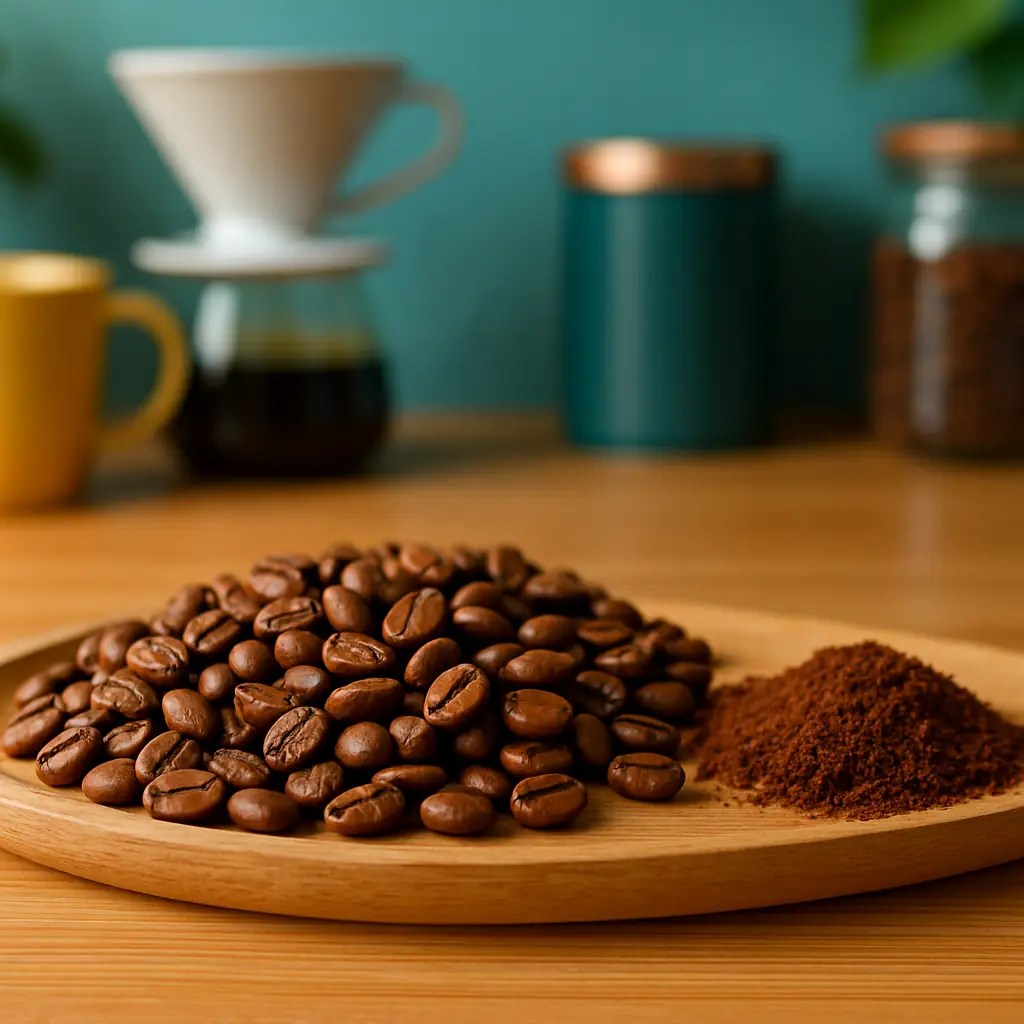
Common names? City Roast, American Roast, Breakfast Blend
Dark Roasts: the Intensity
Keep that heat going, push the beans past the “second crack” (a quieter, faster crackling sound, maybe around 225°C – 240°C+ / 435°F – 465°F+), and you enter the realm of dark roasts. Visually, you’ll often notice – the beans get dark, deep brown towards black, and frequently develop an oily sheen. That’s because the bean’s structure is breaking down, letting internal oils seep out.
What does this mean for flavor? Intensity. The focus shifts dramatically from the bean’s origin notes to the flavors forged in the fire. Think deep, dark cocoa, a distinct smokiness, maybe even hints of molasses or spice. That bright tang of light roasts? It’s pretty much gone, replaced by a boldness that includes bitterness as a key element. The coffee feels heavy, almost syrupy in the mouth. It’s a powerful statement. While some find it overpowering, others love that potent, lingering taste, especially in espresso or with milk cutting through the intensity. It’s like turning up the bass and treble on the roaster’s EQ – the original melody is transformed into something new and forceful.
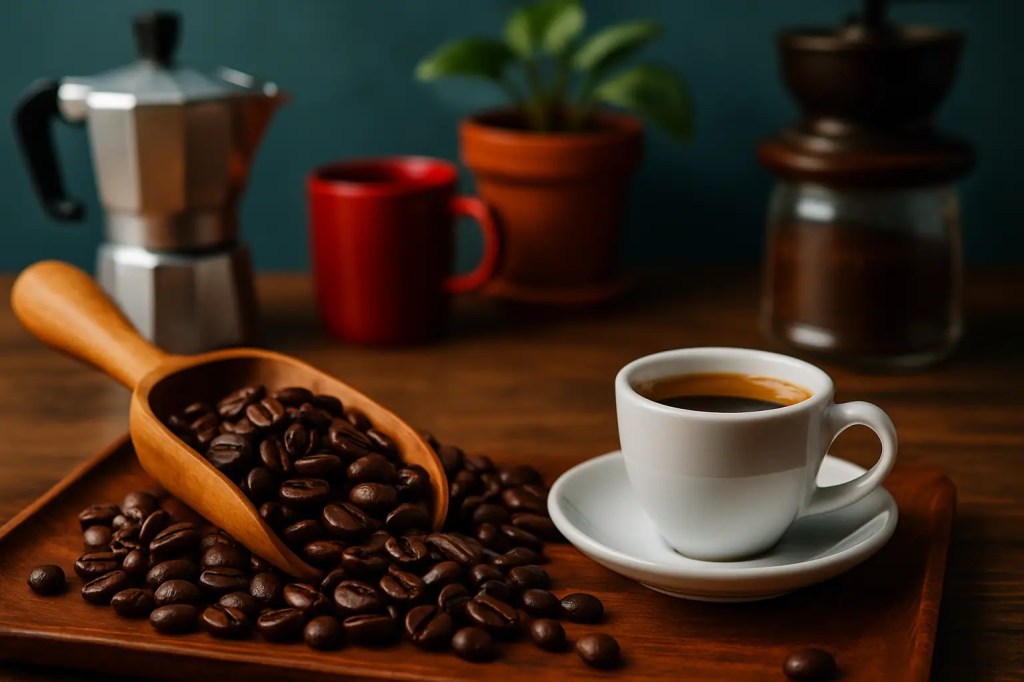
Common names? French Roast, Italian Roast, Vienna Roast, Full City+
Quick Word on Caffeine: Don’t Believe the Myths!
Does dark roast = more caffeine? Or less? Let’s bust this one quickly: Nope. Caffeine levels stay remarkably stable throughout the roast. A light bean and a dark bean (from the same batch) have virtually identical caffeine. The only way dark roast might give you less caffeine is if you measure by scoops (volume) instead of weight, simply because the puffier dark beans mean fewer beans fit in the scoop. Best practice? Weigh your coffee beans! Choose your roast for flavor, not for a caffeine guess.
So, Which Roast Is for You?
Honestly? The best one is the one that makes you happiest when you drink it. My own preferences wander depending on the day, the brewing method, the bean itself.
The real joy is in the exploration. Try different things!
- Grab a bag of something light and something dark from the same roaster. See the contrast.
- Don’t be afraid to ask your barista what they’re enjoying.
- Check how different roast levels make you feel.
It’s your time now to understand the impact of roast levels to unlock more ways of enjoying the incredible diversity coffee offers. Go & find your favorites!
 Coffee Guide
Leave a comment