
Stepping into a specialty coffee shop or even just browse the coffee aisle online can feel like navigating a complex map without a guide. So many origins, roast levels, blends… where do you even start? Believe me, I’ve been there! Over years of brewing countless cups, tasting beans from around the globe, and talking endlessly about coffee, I’ve developed a practical approach to decoding those bags and finding the gems that make truly exceptional coffee.
In this guide, I want to share my personal compass – the key things I always consider – to help you confidently choose beans you’ll absolutely love, saving you time and potentially some less-than-stellar cups along the way.
Rule #1: Freshness is Everything (Seriously!)
Before we dive into the nuances of flavor, let’s talk about the non-negotiable foundation: freshness. I can’t stress this enough. Coffee beans are at their absolute peak flavor potential shortly after roasting and then, sadly, begin a slow decline.
Why Timing is Critical
Think of roasted coffee like freshly baked bread – best enjoyed soon after it comes out of the oven (or roaster, in this case!). Those amazing aromas and complex flavors fade over time. Trust me, the difference I’ve tasted between a cup brewed with beans roasted three weeks ago versus three months ago is often night and day – one vibrant and alive, the other potentially flat and dull.
Hunt for the “Roasted On” Date
My first move when looking at a bag? Find the “Roasted On” date. Ignore “Best By” – it’s often arbitrary. For the best experience, I aim for beans roasted within the last few weeks. For espresso, I personally find the sweet spot is often 7-14 days after roasting, giving the beans time to de-gas slightly. For filter methods like pour over, beans can be fantastic for up to 4-6 weeks post-roast.
Whole Bean is the Best (If You Can!)
Pre-ground coffee might seem convenient, but it loses its magic exponentially faster. All that increased surface area means aromas escape much quicker. If there’s one upgrade I always recommend, it’s buying whole beans and grinding them just before you brew. The immediate burst of aroma when you grind fresh beans tells you everything – it’s an experience pre-ground just can’t match, and I promise you’ll taste that difference in the cup.
Cracking the Roast Code: From Light & Bright to Dark & Bold
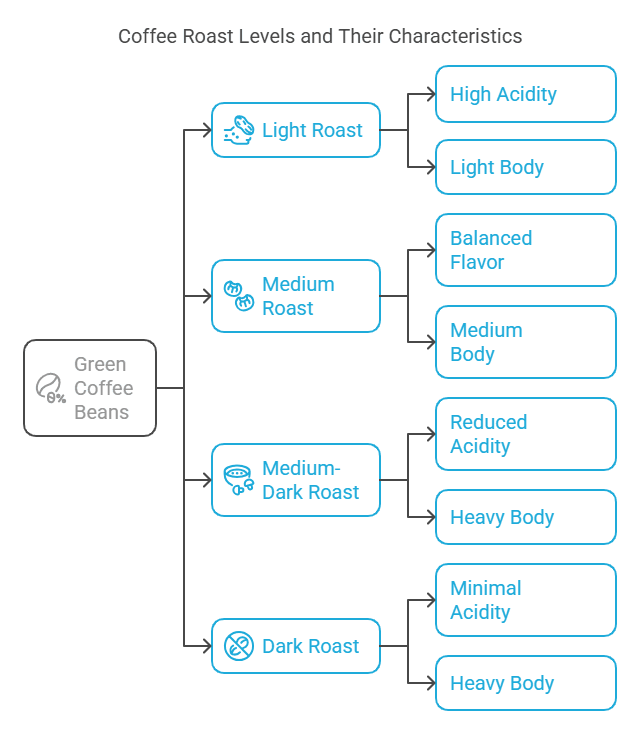
Roasting is where the magic happens, transforming green beans into the flavorful brown gems we brew. The roast level profoundly impacts taste, aroma, and body. Here’s how I think about it:
Light Roast: Honoring the Origin
- Look: Light brown, like cinnamon sticks; dry surface.
- Taste: For me, light roasts are about letting the bean’s inherent character sing. Expect higher, brighter acidity (think citrus or berry), a lighter body, and delicate floral or fruity notes. They demand a bit more attention during brewing, but the payoff is clarity and nuance. I love using light roasts for my pour over setup to really savor those origin-specific flavors.
Medium Roast: The Balanced All-Rounder
- Look: Medium brown, mostly dry but maybe a hint of sheen.
- Taste: This is often my sweet spot for a reliable, satisfying daily brew. You get a beautiful balance – some origin notes are still there, but they’re harmonized with roast-developed sweetness, nuttiness, or chocolate tones. Acidity is mellower, body is fuller than a light roast. Super versatile for drip coffee or Aeropress.
Medium-Dark Roast: Richness & Body Build
- Look: Richer brown, often showing an oily sheen.
- Taste: Acidity takes a step back, body becomes heavier. The roast character is more forward – think bittersweet chocolate, deep caramel, maybe a touch of smokiness. Origin notes become more subtle. I often grab a medium-dark roast for my Moka Pot or when brewing for espresso-based milk drinks where the coffee needs to stand up to the milk.
Dark Roast: Intense & Powerful
- Look: Dark brown to almost black, noticeably oily.
- Taste: Acidity is minimal here; the body is heavy. The flavor is dominated by the roast itself – bold, smoky, intensely bittersweet. Think classic, potent Italian espresso. You lose most of the bean’s origin nuances, but gain intensity. If you love a powerful, punchy cup, this is your territory.
A World of Flavor: Why Origin Matters
Just like grapes for wine, coffee beans absorb the characteristics of their environment – the soil, climate, altitude (terroir). Exploring origins is, for me, one of the most fascinating aspects of coffee.
Single Origin vs. Blends: Adventure vs. Reliability
- Single Origin: Beans from one specific place (a farm, region, etc.). I love these for their unique taste snapshot – they tell a story of where they came from. Maybe it’s the stunning blueberry notes I find in some natural Ethiopians or the clean, nutty comfort of a Guatemalan bean. They can vary slightly each harvest, which I find exciting. Perfect if you’re adventurous!
- Blends: A mix of beans from different origins, crafted by a roaster. The goal is usually balance and consistency, often tailored for espresso (think crema, body) or a specific desired flavor profile. If you find a blend you enjoy, it should offer a reliable taste experience time after time. Great if you know exactly what you like. Neither is inherently better; they just serve different purposes.
Flavor Map: My Quick Guide to Regions
These are generalizations, but here’s what I typically expect:
- Latin America (Colombia, Brazil, etc.): Often my starting recommendation. Usually balanced, approachable, with familiar nutty, chocolatey notes and clean acidity. A great baseline “coffee” flavor.
- Africa (Ethiopia, Kenya, etc.): This is where my palate often gets most excited! Expect complexity, brightness, vibrant fruit (berries, citrus) or floral (jasmine) notes. Ethiopian coffees, in particular, offer incredible diversity.
- Asia/Pacific (Indonesia, etc.): I often find deeper, earthier tones here. Low acidity, full, sometimes syrupy body, and notes that might range from herbal to dark chocolate or even spicy. Sumatra is a classic example.
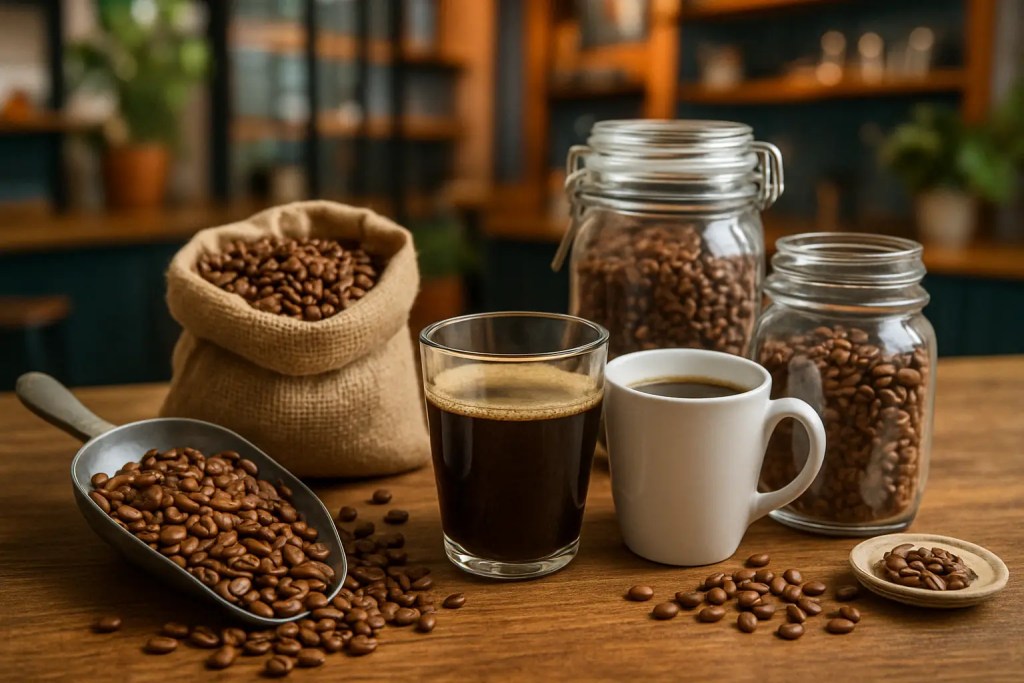
Bean origins are the main determinant of the taste, and you may have different preference
Putting It All Together: My Choosing Process
So, when I’m faced with a shelf of beans, how do I decide?
- Consider My Brewer: What am I brewing with today? For my V60, I’ll likely grab a lighter roast single origin to appreciate the clarity. For French Press, maybe a medium or medium-dark with more body. For espresso, often a dedicated blend or a medium-dark single origin known to work well.
- Read the Tasting Notes: Those descriptions (“notes of stone fruit, hazelnut, brown sugar”) are the roaster’s best attempt to guide you. I use them heavily. If it sounds like flavors I enjoy, I’m more likely to try it.
- Embrace Experimentation: The absolute best way to learn is to taste! I encourage you to buy smaller bags from different roasters, try various origins and roast levels. Keep a simple log if it helps! Discovering that “wow” bean is a truly rewarding moment in any coffee lover’s journey.
Your Coffee Adventure Begins
Choosing coffee beans shouldn’t feel like a chore. Armed with an understanding of freshness, roast levels, and origin characteristics, you can make informed choices and explore the incredible diversity coffee offers. Don’t hesitate to ask questions at your local coffee shop or roastery – passionate coffee people love to share their knowledge. Enjoy the delicious journey of finding your perfect brew!


Leave a comment